
Scalable Engineering Organisations for Growing Space Companies
When growth no longer automatically leads to greater performance.
With new projects, larger teams and increasing complexity, the demands on collaboration, decision-making and responsibility grow as well.
What initially looks like a resource problem is often a structural issue.
1:1 meeting (approx. 30 minutes, online) – free of charge and non-binding.
What This Looks Like in Practice
A pattern repeats itself in growing aerospace organisations.

Engineering
delivers strong technical work.
Product Assurance
fulfils its responsibilities.
Project Management
plans and coordinates.
Quality Management
documents and audits.
Each function is staffed by capable people working within reasonable processes.
And yet — projects run late. Customers raise questions. Reviews drag on.
Decisions require three iterations where one should be enough.
The team works harder, not more effectively.
Local optima add up to a systemic suboptimum.
Which challenges are currently standing in your way?
The six most significant challenges in growing organisations
Each function optimises its own work. Each is right within its own frame of reference.
And yet the interfaces between them — where decisions are handed over, where knowledge is translated, where responsibility changes hands — carry the cost of misalignment.
Growth does not translate into capacity
You hire to relieve the bottlenecks. The bottlenecks remain — because they were not in headcount, but in the interfaces. New people enter the existing structure and absorb the same friction.
Decisions require multiple iterations
… where one should be enough. A technical decision requires Engineering input. Then Product Assurance. Then Project Management to assess the schedule impact. Then back to Engineering because the PA feedback changes the scope. Each iteration is reasonable in isolation. The aggregated cost appears in the schedule.

Priorities compete with each other
Engineering optimises technical risk. Project Management protects the schedule. Product Assurance protects evidence and compliance. Quality Management protects conformity. Each priority is sensible on its own.
But when trade-offs emerge, organisations often lack a shared decision framework. The result is lengthy coordination, recurring debates and decisions that vary from project to project.

Organisational transparency is missing
Teams make reasonable decisions based on their local perspective. The impact on other projects, functions or dependencies often becomes visible only after it has already created cost or delay.

The same problem appears again
A team solves a problem in Project A, only to solve it again in Project B because the knowledge remained with individuals rather than becoming part of the structure. The organisation pays the cost of relearning. The customer sees inconsistency.

Reviews uncover known gaps
The team was aware of the issue. Someone mentioned it. But it never reached the decision-making level in time. The review makes it visible to the customer, who now sees it as a sign of structural fragility.
When several of these symptoms appear together, the discussion is no longer about a single project, a single decision or a single function.
The patterns keep reappearing — despite capable people and despite reasonable processes.
And eventually the question arises:
Why do these problems keep recurring, even though every function is doing its part?
The Misconception:
When these symptoms become visible, the seemingly logical conclusion is often: We need more resources, better tools or additional processes.
Teams are reaching their limits? Then more people are hired.
Decisions take too long? Then additional coordination meetings are introduced.
Knowledge remains with individuals? Then more documentation and knowledge databases are created.
Reviews and audits keep uncovering the same issues? Then new processes and controls are added.
And in many cases, these measures do help in the short term.
But they rarely change the structure in which the problems arise.
With every additional role, every new process and every new tool, organisational complexity increases — while the underlying cause often remains unchanged.
The Insight: It Is Structural
An organisation’s performance
emerges between its functions.
When every function is operating reasonably well on its own and the problems still persist, it is worth changing perspective.
The key question is not how Engineering, Product Assurance, Project Management or Quality Management can each improve individually.
The key question is how they work together.
Because this is where most friction arises — at the interfaces between decisions, responsibilities, knowledge and priorities.
An organisation does not become effective within its functions. It becomes effective at the interfaces between them.
Three principles that shape this work:
Diagnosis before solution
The starting point is understanding how the organisation actually operates — not how it is documented. The diagnosis is observational, not prescriptive.
Work on the interfaces, not within the functions.
Best practice remains intact.
Structural work takes place at the points where decisions are handed over, knowledge is translated and responsibility changes hands.
Self-sustaining effectiveness
The goal is for the organisation to carry its own coordination once the external engagement ends. The work is structural, not transactional.
How Structure Becomes Effective
Structural work starts where functions meet.
When the interfaces become robust, the specialist work of each function does not change. But decisions become clearer, knowledge becomes more resilient, responsibilities become more explicit, and growth loses part of its friction.
Shared problem understanding
When each function frames the same symptom differently, decisions start to diverge before the meeting even begins. Structural work creates a shared frame from which decisions can be made.
Typical question: How do we arrive at a shared understanding of a problem when each function frames it differently?
Clear roles and decision authority
Coordination friction often arises at handover points. Robust interfaces shorten loops.
Typical question: Who decides when the impact of a technical change on schedule, evidence and risk only becomes visible later?
Knowledge structures instead of knowledge islands
Knowledge should not sit only with the few people who have been around the longest. Structural work embeds knowledge in routines, handovers and documentation that reflects real practice.
Typical question: How does knowledge that currently lives in two people’s heads become part of the structure — without creating documents nobody reads?
Organisational effectiveness
The goal is not for a few key people to hold the organisation together. The goal is for the organisation to carry its own coordination — even after the external engagement ends.
Typical question: How do we make sure the improvements we have built will last — once the engagement ends?
How a Structural Engagement Typically Unfolds
Four Phases of Collaboration at a Glance
Structural work does not follow a fixed programme. Every organisation brings different symptoms, different interfaces and different constraints.
Yet the work usually starts in a similar way: not with solutions, but with observation.
Step 1
Diagnosis – Observe Before You Assume

Before structures can be changed, it must become visible how they actually work. Meetings, reviews, status discussions and decision-making processes often reveal a very different picture from organisational charts or process descriptions.
At the end of the diagnosis, a shared picture of the current situation emerges.
- The most significant sources of friction between functions are visible.
- Critical interfaces and handover points have been identified.
- Symptoms are separated from their potential causes.
- The organisation’s structural risks become tangible.
Typical duration: two to four weeks.
Step 2
Shared Framework – Making Patterns Visible

Together, we examine where friction arises, which interfaces generate the highest cost and which patterns keep recurring.
The question is not: Who is right? The question is: What creates the observed symptoms?
At the end of this phase, there is clarity about which structural topics need to be addressed.
- The patterns behind the symptoms have been described collectively.
- Priority areas for action have been identified.
- Different functional perspectives have been brought together.
- A shared vision for the next stage of the work has emerged.
Typical duration: one to two workshops over two to four weeks.
Step 3
Structural Work – Focusing on the Critical Interfaces

Not every interface is equally important. The work focuses on the points where decisions, knowledge and responsibility currently create friction.
During this phase, the identified leverage points are translated into everyday practice:
- Roles, responsibilities and decision paths become clearer.
- Handovers between functions become more robust.
- Knowledge becomes more systematically available and less dependent on individuals.
- Recurring coordination effort and friction are reduced.
Typical duration: three to twelve months, depending on scope.
Step 4
Transition – The Organisation Sustains the Improvement

The goal is not permanent external support. The goal is an organisation that can sustain its own coordination and continue improving without ongoing external involvement.
Your organisation increasingly carries the improvements itself:
- New structures function without permanent external support.
- Responsibility for further development rests within the organisation.
- Routines, decision mechanisms and knowledge structures are established.
- External involvement shifts from operational support to strategic sparring.
Typical duration: ongoing at a significantly reduced level, or fully concluded.
Where Structural Work Becomes Visible
Most structural engagements do not begin as structural engagements.
In most cases, the structural perspective emerges while working on a specific problem.
- A Product Assurance engagement makes the interfaces between Engineering, Product Assurance and Project Management visible.
- A compliance or audit engagement often reveals the organisational causes behind recurring findings.
The operational issue is the starting point. The structural patterns only become visible through the collaboration.
In both cases, structural work does not replace the Product Assurance or Compliance engagement — it builds upon it.
The structural conversation becomes valuable once the immediate operational pressure is under control and the organisation has the bandwidth to examine the patterns beneath it.
New-Space Product Assurance
During Product Assurance engagements, friction between Engineering, Product Assurance and Project Management frequently becomes visible. When project pressure exposes systemic patterns, the conversation expands from the project situation to the organisation itself.
Tailored Standard Compliance
Audits, reviews and findings often reveal where processes, responsibilities and decision paths no longer align with organisational reality. The audit becomes a window into the underlying structure.
Your Sparring Partner for Structural Effectiveness
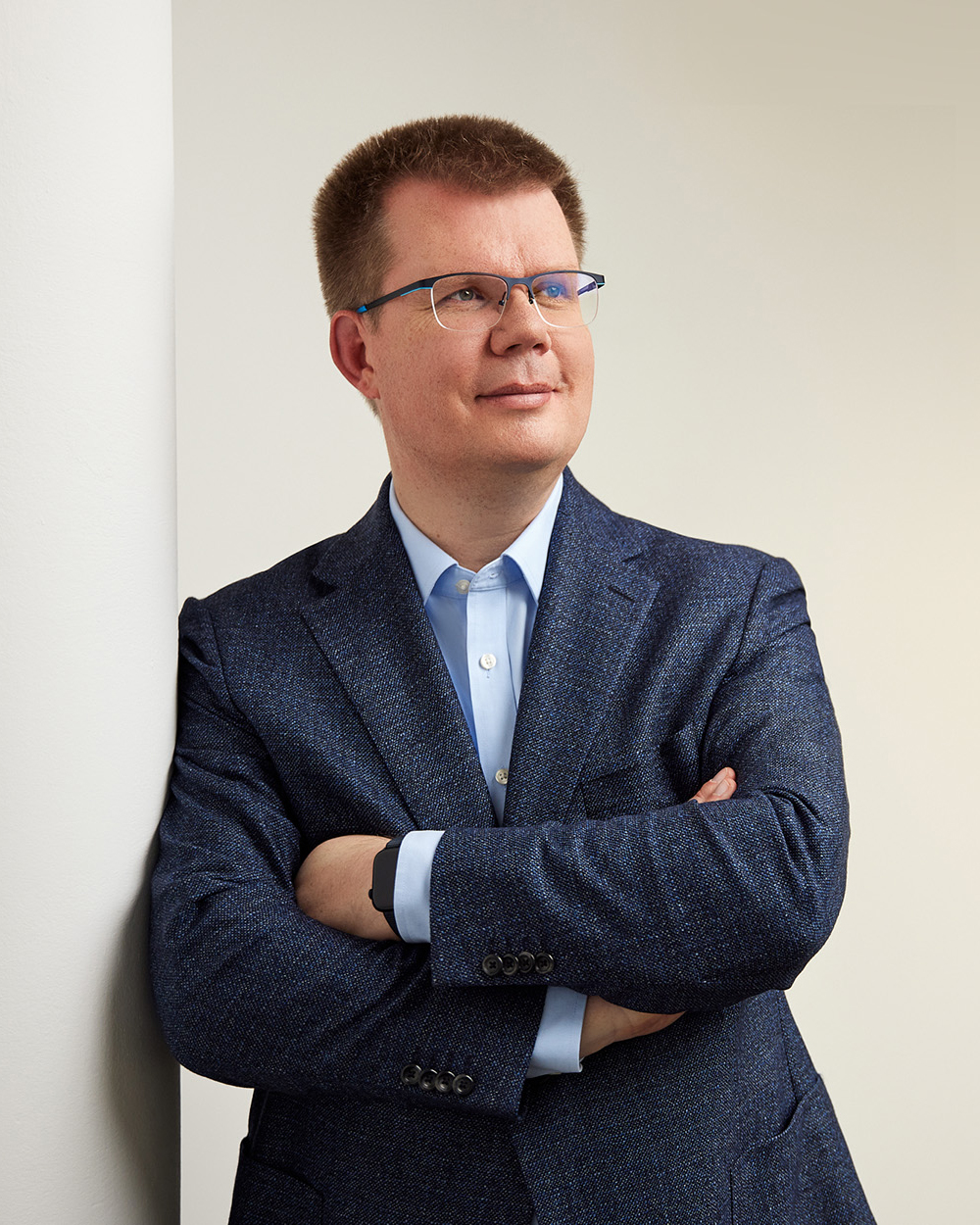
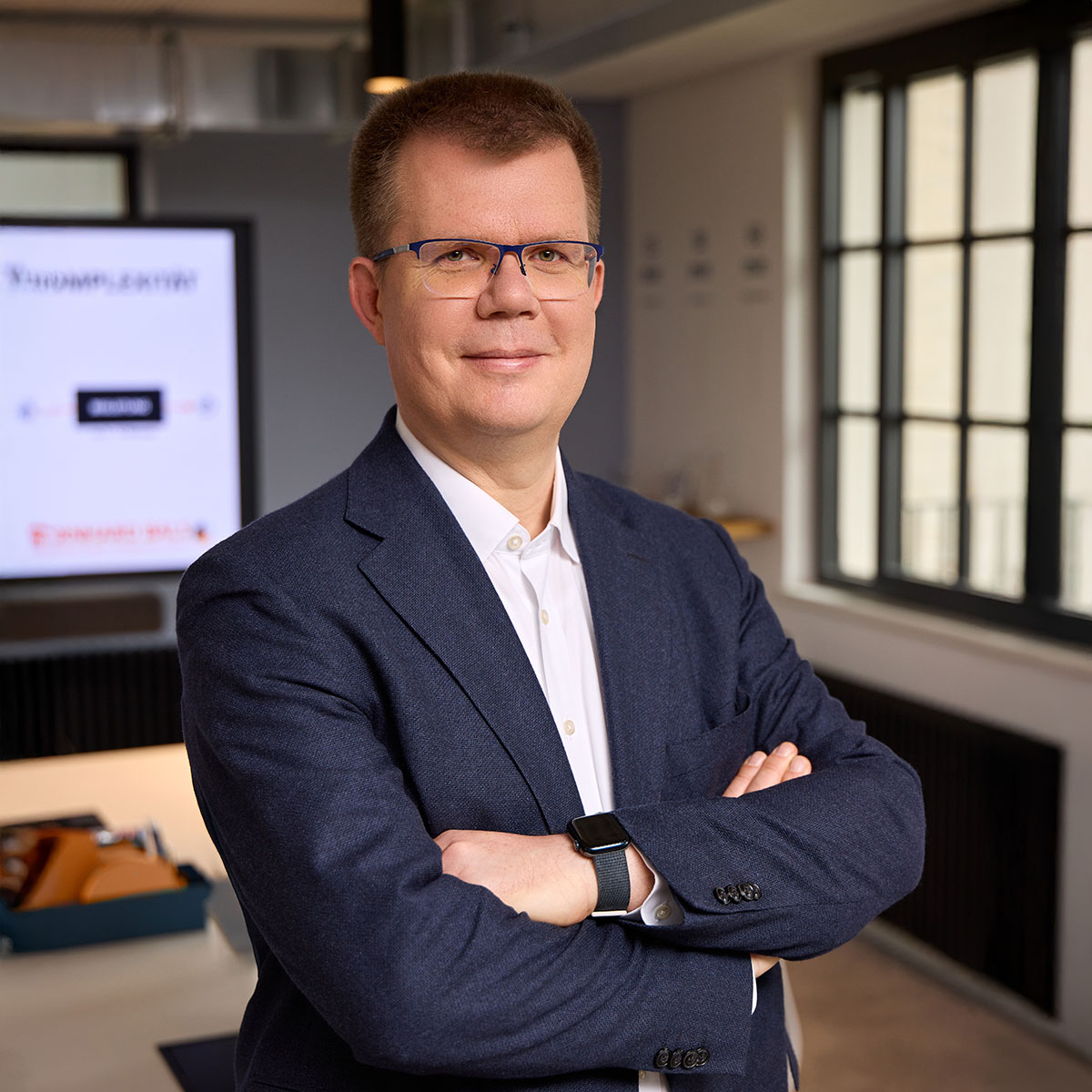
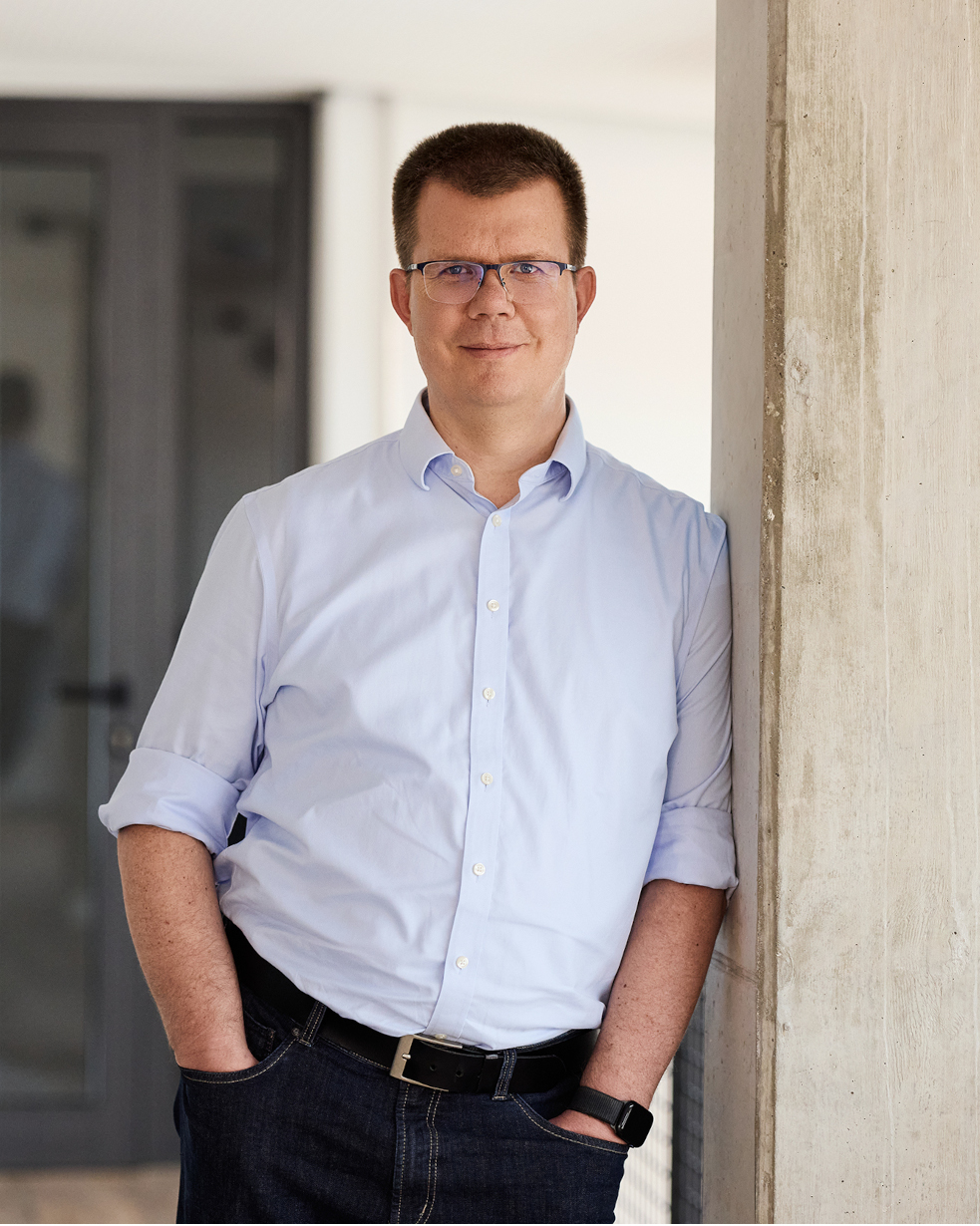
Hi, I Am Bernhard Bals
Aerospace engineer with more than 20 years of experience in Engineering, Product Assurance, Project Management and Quality Management.
Over the years, I have supported technical systems, projects and organisations in demanding space environments. Throughout that time, one observation has repeatedly proven true:
The greatest challenges rarely arise within individual functions. They arise where functions need to work together.
Engineering, Product Assurance, Project Management and Quality Management each pursue legitimate objectives. The real complexity emerges at the interfaces between them.
That is why my focus has gradually expanded — from technical questions within individual projects to structural questions across functions and teams.
The foundation of this work is the combination of engineering experience, space mission experience, and my training as an intercultural mediator and business coach.
Engineering expertise helps me understand what is technically happening. Mediation and coaching help make different perspectives visible and develop sustainable solutions. Experience from space projects ensures that structural changes also work under real project conditions.
For me, structural work is therefore not about designing processes. It is about helping organisations build the capability to sustain their own effectiveness over time.
Form Follows Diagnosis
Structural Work Rarely Begins with Predefined Solutions
Every organisation brings different challenges, different interfaces and different growth questions. That is why this kind of work can only be translated to a limited extent into fixed packages, predefined timelines or standard service offerings. The scope and shape of the collaboration emerge from the diagnosis — not from a predefined catalogue of services.
That is why you will not find traditional consulting packages on this page. What you will find instead is a description of the patterns I repeatedly encounter in growing development organisations.
If these patterns sound familiar, a conversation may be worthwhile.
Not to define a solution immediately, but to understand together whether the challenges you observe are rooted in the structure — and whether structural work is the right next step for your organisation.
And if the Product Assurance or Compliance topics on the other pages are a better fit for your current situation, that is a valuable outcome as well.
Let's Start with the.
Schedule your free check-in meeting.
Together, we will look at the patterns behind the symptoms — and explore whether structural work is the right next step for your organisation.
30 minutes. Online. Free of charge and without obligation.