
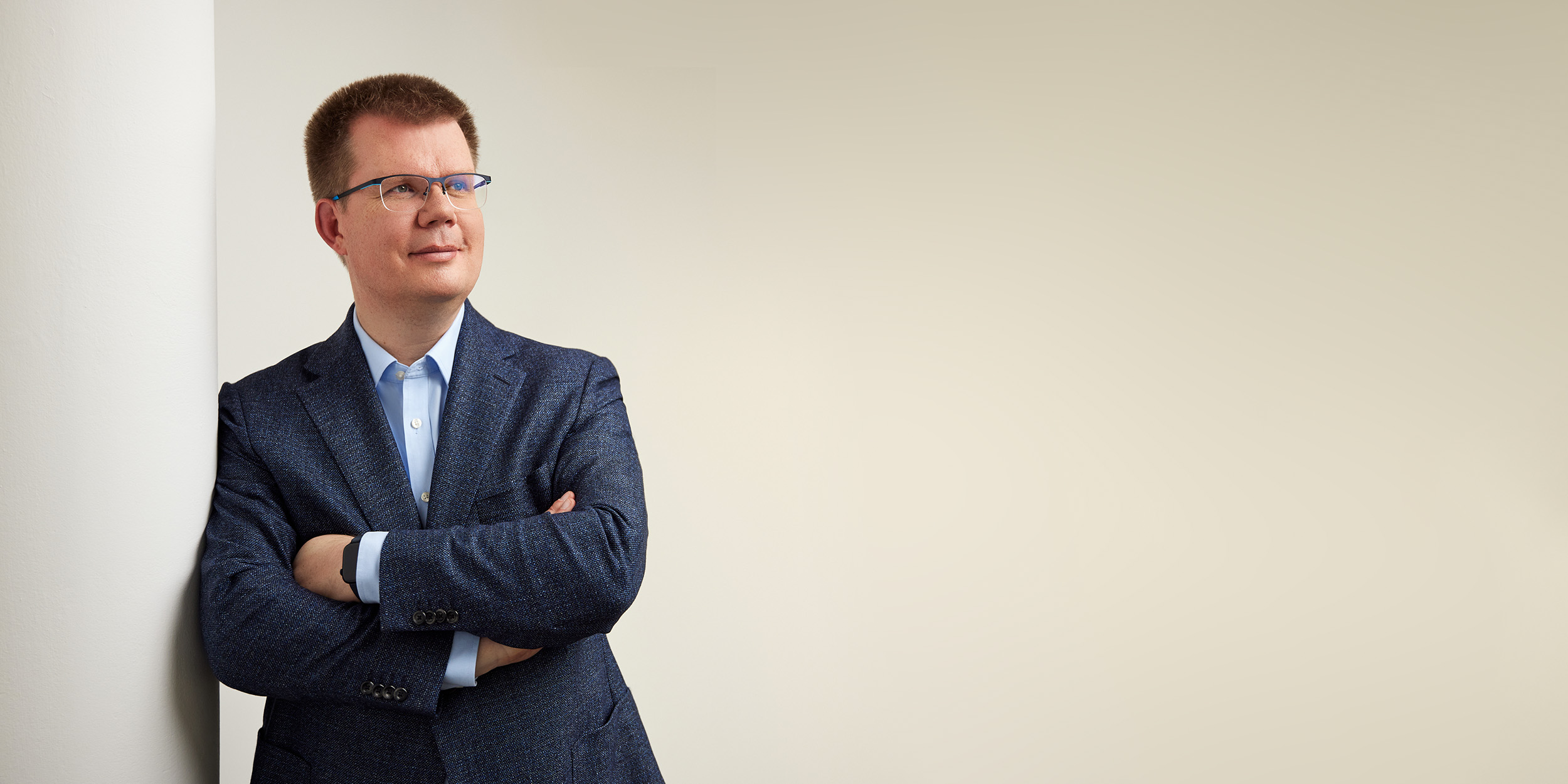
Bernhard Bals — Consulting for Space Companies
Pragmatic. Standards-aware.
Grounded in Real Space Practice.
With growth, new customers and increasing requirements, many space companies face the same questions:
How do we deliver Product Assurance under ECSS or Prime requirements
… without building unnecessary bureaucracy?
How do we integrate ISO 9001, EN 9100 and ECSS into structures
… without slowing down day-to-day project work?
How do we build organisations that can grow
… without losing effectiveness?
I support space scale-ups, SMEs and space-adjacent technology companies in addressing exactly these challenges — with experience from real New Space and ESA missions and a structural view of the interfaces between Engineering, Product Assurance, Project Management and Quality Management.
1:1 meeting (approx. 30 minutes, online) – free of charge and without obligation.
Bernhard Bals is part of:



Complex Challenges in the Space Industry
These Three Challenges
Usually Appear Together

Today, space companies operate in an environment shaped by high technical complexity, increasing regulatory requirements and growing organisational pressure.
- New customers bring new compliance and evidence requirements.
- Space projects introduce ECSS obligations.
- Growing teams increase the effort required for coordination and decision-making.
These challenges rarely occur in isolation. They reinforce one another.
That is why it is often not enough to look at the technical perspective, the compliance perspective or the organisational perspective in isolation.
Effective solutions emerge where Engineering, Product Assurance, Quality Management and Project Management come together.
With more than 20 years of aerospace experience across Engineering, Product Assurance, Project Management and Quality Management, I help space companies create exactly this connection.
My Areas of Expertise
Three Ways to Make Complexity Manageable
Space companies rarely face just one challenge. Product Assurance, Compliance and Organisational Development are closely interconnected.
Depending on the situation, however, the collaboration usually starts at different points.
New-Space Product Assurance
Standards-aware without unnecessary bureaucracy.
The right level of assurance. No more. No less.
For space companies that need to deliver Product Assurance under ECSS or Prime requirements — without sacrificing speed, clarity or execution capability.
From Product Assurance Plans and Milestone Reviews to ongoing Product Assurance support.
Tailored Standard Compliance
Standards that work in practice.
Integrating standards instead of creating parallel worlds.
For space companies that need to integrate ISO 9001, EN 9100 and ECSS into their organisation — without creating unnecessary complexity, duplicate structures or additional documentation overhead.
From Compliance Assessments and Audit Readiness to long-term Compliance support.

Scalable Engineering Organisations
Growth that remains effective.
Carry more complexity. Without losing control.
For space companies that are growing, taking on new projects or facing increasing complexity — without losing speed, clarity and decision-making capability.
Working on the structures that support growth, collaboration and organisational effectiveness.
That is how you benefit
Your Structural Advantage
Manageable complexity
Technical, regulatory and organisational requirements become transparent and manageable — enabling informed decisions and reliable project execution.

Clarity and Effectiveness
Roles, evidence requirements and processes are refined where they create value. This reduces coordination effort and increases organisational effectiveness.

Trust with Customers and Partners
Your organisation demonstrates the professionalism, traceability and engineering credibility that institutional customers and partners expect.

About EQMC Consulting
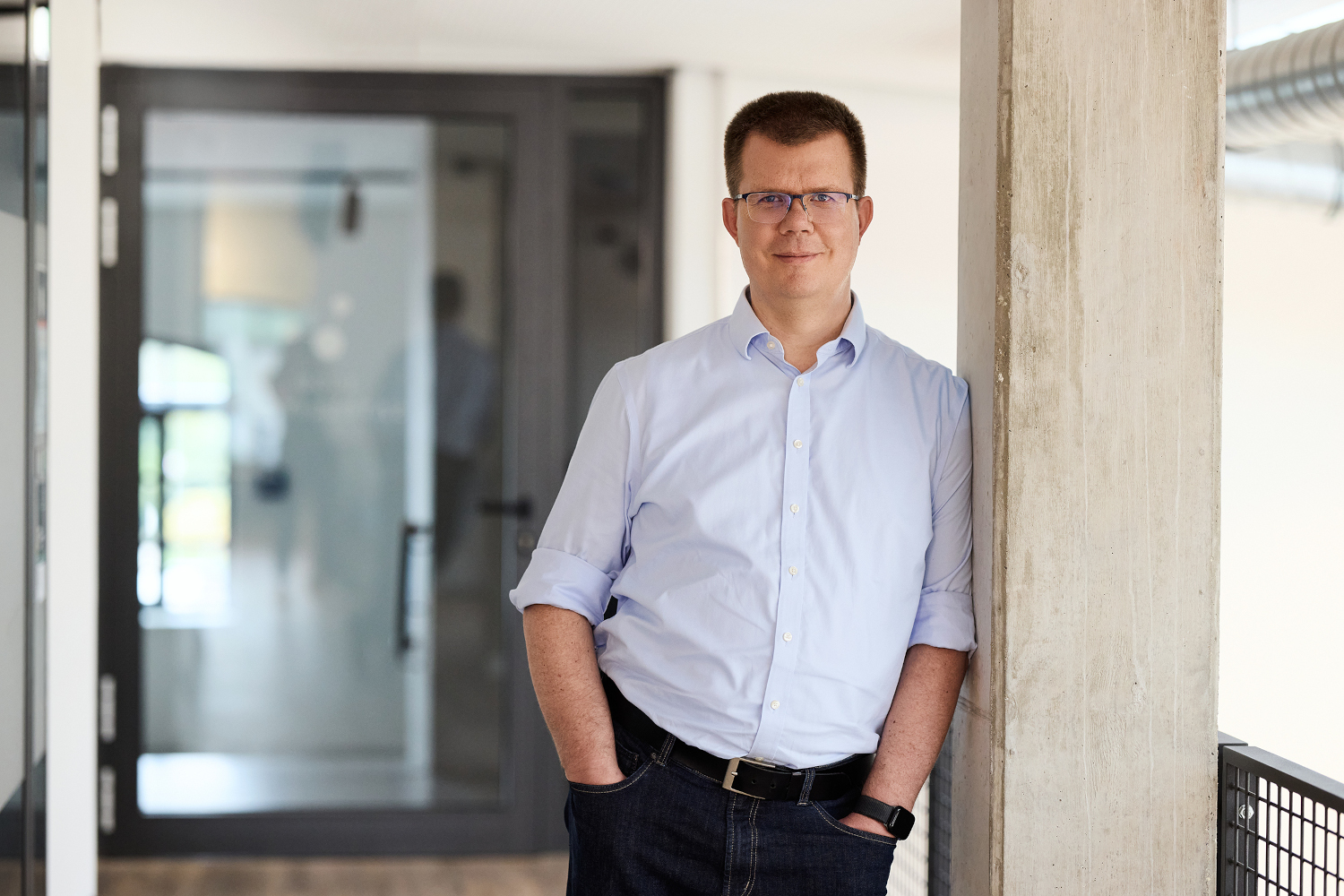
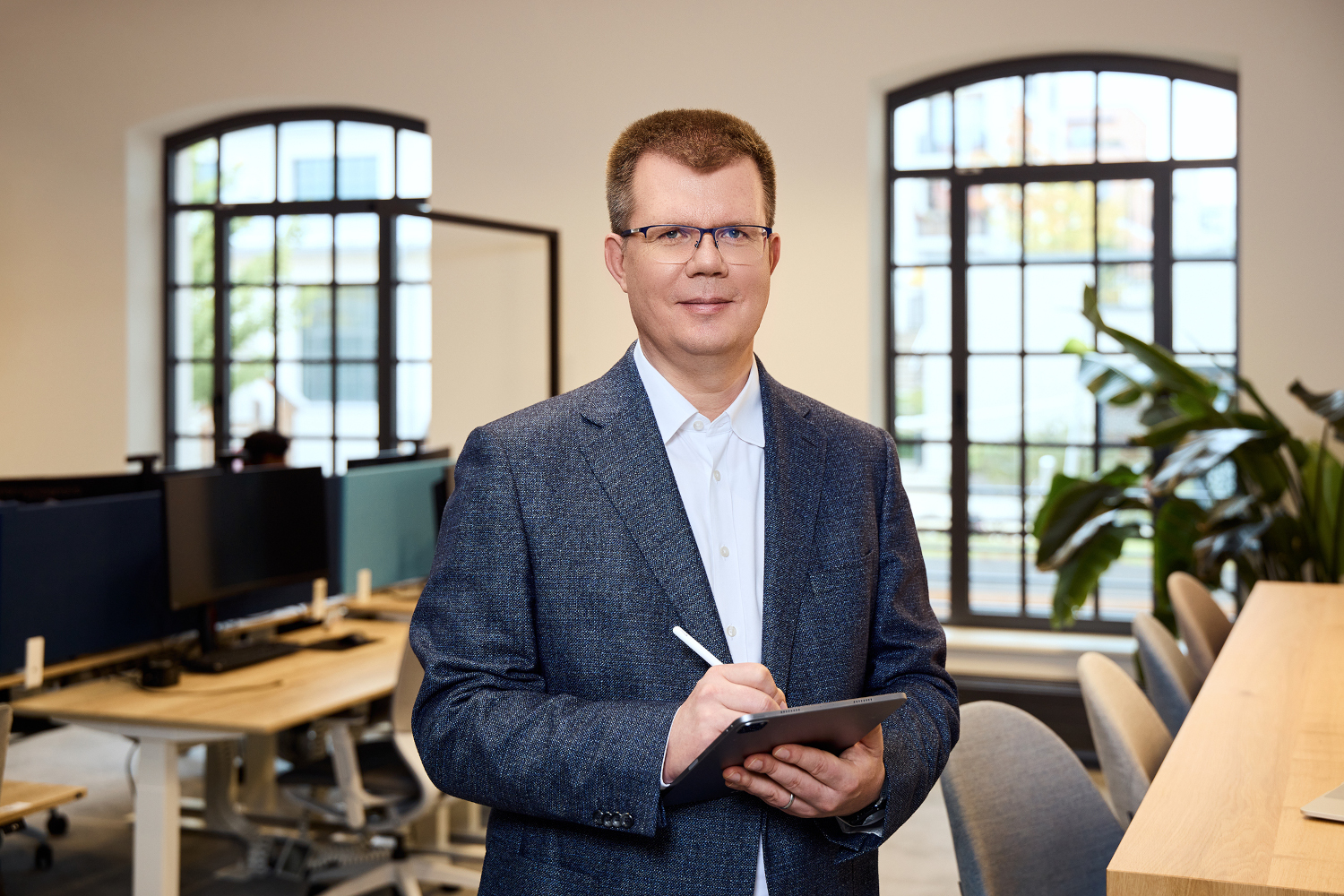
Hello, I am Bernhard Bals.
Comprehensively solution-oriented. Trust-building. Responsible effective.
As an aerospace engineer with more than 20 years of experience in Engineering, Product Assurance, Project Management and Quality Management, I support space companies at the intersection of technology, compliance and organisation.
Over the years, I have worked with development projects, Product Assurance mandates, quality management systems and organisational change initiatives in demanding aerospace environments. One observation has consistently proven true:
Technical challenges can usually be solved. The real difficulty arises where technical, regulatory and organisational requirements come together.
That is where EQMC comes in.
EQMC stands for Engineering, Quality, Management and Culture. Four perspectives that cannot exist in isolation within successful space projects — they must work together.
Engineering provides technical substance. Quality creates traceability and trust. Management provides direction and enables decisions. Culture makes collaboration sustainable.
My goal is to connect these four dimensions in a way that enables space companies to grow, deliver and meet regulatory requirements — without creating unnecessary complexity.
If you would like to explore what the next meaningful step for your organisation could be, I would be pleased to speak with you.
Selected customer projects
Gain an insight into my previous projects.
Click on the respective button to find out more about previous customer projects.
Let’s find out whatneeds next
Schedule your free check-in meeting.
In a check-in conversation, we will look at your current situation, the challenges your organisation is facing and the possible next steps.
If none of the available time slots work for you, feel free to contact me by email: bals@eqmc-consulting.de